
Home/Pass down family photos
Pass your photos down while they can still ask you about them.
“Who gets the family photos?” used to be a hard question. One album, four children. Digital copies quietly solved the hard part: a copy is perfect and costs nothing, so everyone can have everything. What copies don’t carry is the story — hand down a drive of unnamed files and you’ve handed down the pictures and lost the plot.
Hand down two things, not one
The files: every photo, at full quality, in a form your children can open without anyone’s permission. The story: who these people are, where that house was, why that summer mattered. The first without the second is how a family’s memory becomes a folder nobody opens.
Who keeps the originals?
Prints and slides exist in exactly one copy, so name a keeper — one person, agreed out loud. The keeper holds the paper. Digitize the originals (a scanning shop does that part well; Roon doesn’t digitize) and the keeper stops being the family’s only door. Once files exist, “who gets them” stops being a division and becomes a delivery: everyone gets all of it.
Don’t wait for the will
The best time to pass photos down is while the people in them can still be asked. Names get attached. Stories get told. Mistakes get corrected. This page is the living side of the handover. The account side — what happens to your photos and logins when you die — is our digital legacy guide.
Roon’s part
In Roon, the story is not a pile of files to divide. Rooney writes it as chapters — a chapter is a named piece of your family’s written story — with everyone’s names attached, and the whole story is shared with exactly your family: each person sees all of it, not a third of it. Export is free on every plan, originals included, so each of your children can hold a complete copy. And on the Forever plan, legacy handoff names who inherits the keeping of the story after you. The next keeper, chosen on purpose.
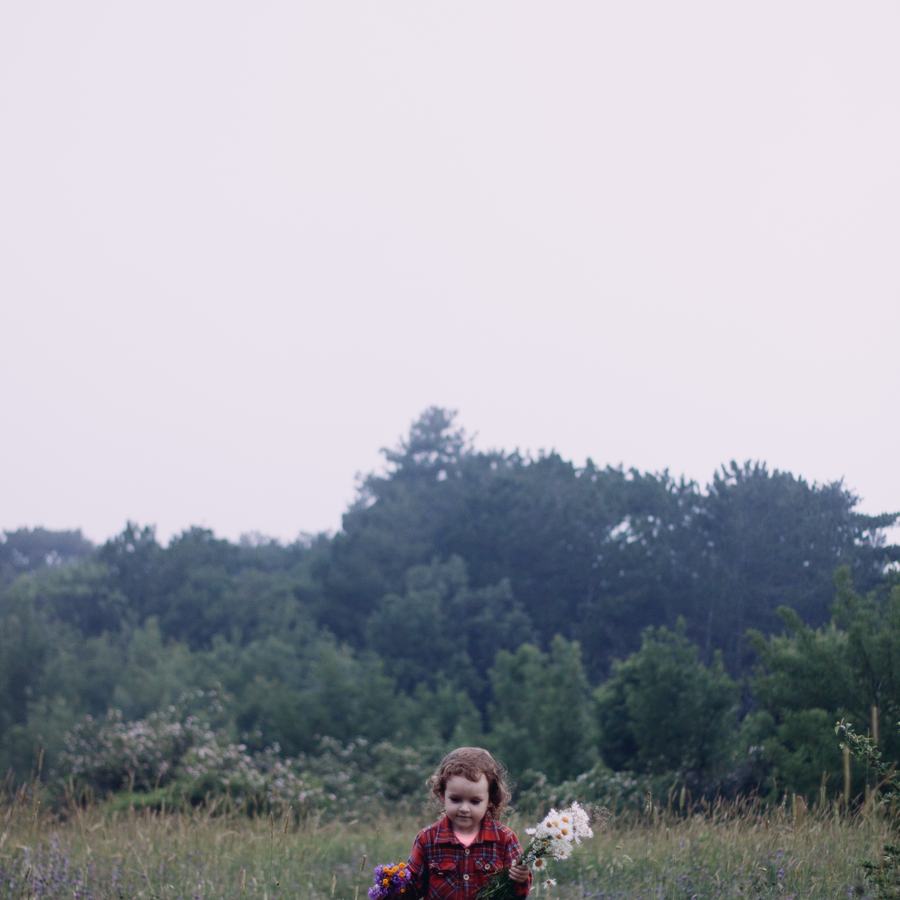
Files divide. A story doesn’t have to.
start now
Begin with the photos only you can explain.
The oldest photos in your house are the ones whose stories live in exactly one head — yours. Start there. And if the photos came to you from a parent and you’re still working through them, start with what to do with inherited photos.
plain answers
Questions, answered straight.
How do I pass down family photos to my children?
Give them two things: complete copies of the files, and the story that explains them. Digitize prints so copies exist, keep the story written down with names attached — in Roon, Rooney does that writing from your photos and words — and make sure every child can reach the whole collection, not a share of it.
Who should keep the original family photos?
One named keeper — chosen openly, not by whoever lives closest. The keeper holds the paper originals; digitized copies mean they are never the family’s only way in. If nobody can agree, digitize everything first and decide about the paper after.
Should I split the photos between my children?
With prints, families used to have to. With digital copies, splitting is a choice, not a necessity — and most families are happier when everyone has everything. The memories were shared. The archive can be too.
What happens to the photos on my phone when I die?
Without setup, possibly nothing good: locked devices and inactive accounts are how photos get lost. Our digital legacy guide covers the Apple and Google settings that prevent it — and Roon’s export and legacy handoff cover the story itself.
Can each of my children really have the whole collection?
Yes. Export in Roon is free on every plan and includes the originals, so a complete copy can sit in each child’s hands. The story itself is shared with the whole family at once — nobody’s version is missing the chapters someone else holds.
We're building this with a small group of families first.
Roon isn't open to everyone yet. We're letting in a limited first group — people who'll help shape it, get in at founding pricing, and keep that price for as long as they stay. Add your email and we'll be in touch as spots open.
You're on the list.
We'll email you the moment a spot opens. Thank you for wanting this to exist.